Breakfast & Brain Health: How Can Mindset Improve Resilience?
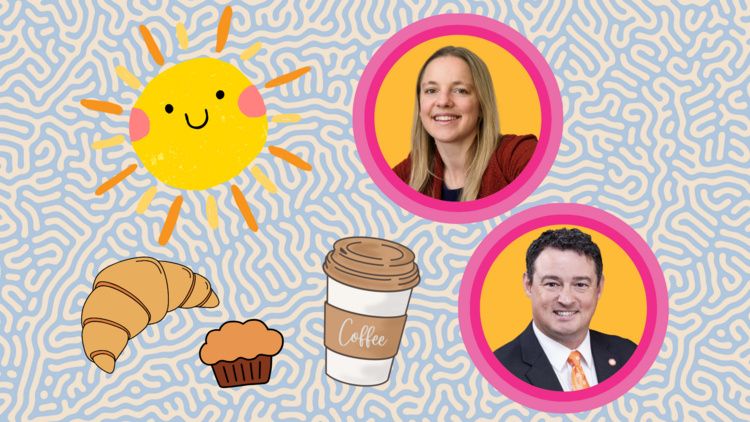
Free Registration & Breakfast Learn how to leverage stress as a tool that can improve both physical and mental health. Friday, Oct 23 │ 9 a.m. to 10 a.m. 3rd floor Library, McDermott Suite Breakfast & Brain Health How Can Mindset Improve Resilience? Q&A with Stanford psychologist Alia Crum, PhD, from the Mind and Body Lab Moderated by Dean Adam J. Woods, PhD Recently featured on The Mel Robbins Podcast, Alia Crum, PhD, says science shows four ways that mindset changes how stress affects us: what we pay attention to, what we are motivated to do, what emotions we feel, and our body's physiological response. Watch Dr. Crum's recent interview on The Mel Robbins Podcast. Drawing on groundbreaking research from psychology and neuroscience, Dr. Crum shows how perceptions of stress, willpower and the body can alter biological responses and real-world outcomes. Mindset determines whether we experience stress as debilitating distress or growth-promoting eustress by shaping our attention, motivation, emotions and physiological responses. A leading researcher on mindset's powerful influence on health, performance and well-being, Dr. Crum is a Stanford psychologist whose research focuses on understanding how mindsets affect important outcomes outside the realm of medicine, in the domains of behavioral health and organizational behavior. This event is sponsored by The Encompass Group. Free Registration & Breakfast→ About Breakfast & BrainHealth This series brings expert speakers from Center for BrainHealth's popular series, BrainHealth Presents, to engage with college students at the main campus of UT Dallas. This annual series showcases diverse perspectives on how to strengthen the brain’s adaptive capacity. Our 2026 theme is: Building Resilience for the Future. Get more info→

